Search This Blog

Showing posts with label Hotels. Show all posts

Monday, September 13, 2010

Hiking (and Eating!) Through the Swiss Alps

Arosa, Switzerland
Summertime in Europe is traditionally celebrated by the locals with long, lazy sojourns to Spain and the Mediterranean where they can relax on the beach, soak up some sun, and escape the stuffy or stormy climates from whence they came. Fortunately for us, this translates into two key benefits when working out a summertime trip on the continent: 1) the proclivity of Europeans to frequent Greece, Spain's Balearic Islands, and typical working-class holidays spots such as Benidorm means there are relatively few other travelers at the non-beach destinations, and 2) the desire for those destinations (and the airline carriers that supply those destinations) to attract visitors keeps prices below what they would normally be.

Tschuggen Bergoase Spa
So it was armed with this information that we planned an end-of-summer holiday weekend to the Swiss Alps -- four days of hiking, fondue, spa treatments, more hiking, local wild game, and just about all the Swiss stereotypes you could shake a stick at. We selected the small off-season village of Arosa as our base of operations given its easy access via the Swiss rail system, excellent ski-based infrastructure (think free, enclosed gondola rides to the tops of the more grueling mountains) and picturesque location amidst the convergence of the Swiss and Italian Alps. And what else does Arosa boast that other nearby villages do not? How about one of the Leading Hotels of the World, the Tschuggen Grand Hotel, and its Mario Botta-designed Tschuggen Bergoase spa.


After a quick (1 hr, 10 min!) flight from London Heathrow to Zurich and a remarkably-efficient transition to the regional train system (Zurich's airport connects to the central train station via a convenient city train below the airport's central terminal) we were enjoying a comfortable and scenic train ride past alpine lakes, precipitous granite cliffs, wooly sheep and brown swiss dairy cows, and enough multi-story waterfalls that we soon lost count. The Swiss rail system is everything you'd expect from the world's pre-eminent watch makers: smooth, efficient, and punctual. The only thing we wish they offered was complimentary beverage service in their first-class cars...


The Parpaner Rothorn
Over the next three days we explored the extensive and well-marked local trail system, which included the possibility for hikes of any length and level of difficulty. Arosa's location in the glacial mountain valley, surrounded by foothills that gradually extend upward to the rocky thrust-fault formations of the Weisshorn, Parpaner Rothorn, and other imposing mountain peaks means than even beginners and occasional walkers can enjoy the scenery and bracingly-fresh air from the trail only 1/4 mile from town. Armed only with the freely-provided and widely-available trail map given us by the hotel, we easily set out on short walks through the adjacent farmlands and longer jaunts along mountain ridges and up as far as we could get without technical climbing equipment. 
Pizokel - spinach pasta and crispy bacon

Fondue!
And what could go better with limitless views of an Alpine landscape, crisp mountain air, and the faraway sounds of Swiss cows in the valley below? Why, the heartiness of Swiss cuisine, of course! A blend of German, French, Italian, and Romansh traditions, Swiss fare has stressed the importance of locally-sourced, in-season products throughout its history -- there are no food fads here. Rich yet subtle fondues of Gruyere, Emmental, and Appenzeller cheeses dipped into with freshly-baked whole grain breads; schnitzels of local chamois and venison paired with slightly crispy, oven-finished spaetzle, roasted chestnuts, and sweet pickled cabbage; and some of Europe's best-kept secrets in wine are more than ample options for refueling after a good day's hike.

Spaetzle
Spending a rainy day at the spa? The Bergoase boasts a wonderfully serene and airy cafe where you can enjoy lighter fare in between treatments or after a splash in one of the many jetted thermal pools.

Restaurant Grischuna
While we chose to visit in the summer, the Swiss Alps are obviously better known as an international ski destination. With the likes of Zermatt, Chamonix, and Verbier just a short train ride away, Arosa also makes for an excellent base camp from which to explore the rest of the region in wintertime. That is, of course, if you tire of the world-class skiing and all that Arosa has to offer -- and that doesn't seem too likely.


Whether you're looking to stretch your legs in the Alps, the Andes, or anywhere in between -- we've got you covered. As your in-the-know source for where to go, what to do, and what to eat, think of The Gastronomic Traveler as your globe-trotting friend with all the in's. We'll get you where you want to be! 


Tuesday, July 6, 2010

Bievenidos a Madrid!

After an easy train ride back to Schiopol Airport and an approximately two-hour flight from Amsterdam, we’ve arrived in Spain’s capital city. Madrid’s public transport system – just like pretty much all of the public transport systems across Spain – is well-marked, clearly organized, and user-friendly even to the casual user and sometimes-Spanish speaker. Following a quick metro ride into the Sol station and a four-block walk to our hotel (the Room Mate Alicia), we’re out in the Plaza de Santa Ana enjoying the sunshine and that palpable Spanish conviviality as we meander toward our afternoon destination to watch the Ivory Coast take on Portugal.

After a lazy walk around the old city center, we settled in at a local tasca (that’s a tapas bar) to catch the second half of what may be the tournament’s most boring game thus far. The 0-0 draw suits us fine, however, and frees us up to enjoy some sherry and tapas at La Venencia – named after the wine-sampling tool otherwise called the “wine thief”. Despite their strict no-pictures policy, we managed to catch some snaps anyway. 

La Venencia is about as purely-Spanish as any place can be: simple, unadorned, and delicious. You can choose glasses of five or so different types of sherry, select a plate of chorizo, olives, or other delectable treats, and settle in for light conversation amidst the locals. Wonderful.
 
Another leisurely walk around, and soon we found ourselves ready for Round Two. Thankfully the Toscana Taberna was right there, and we were treated to crispy boquerones, plates of jamon iberico de bellota, and a truly amazing morcilla (cumin-scented, slightly spicy blood sausage.) 

Matched with the house rioja, the morcilla was absolutely what it should be: rich, meaty, and just a hint of those elusive spice notes. Mmm! (Too bad I didn't manage to get a photo before we devoured it.) Now hopefully tomorrow La Furia Roja can match the brilliance of our meal tonight...

Want to experience it for yourself? Contact us now and we’ll get you there!

Thursday, June 17, 2010

Amsterdam

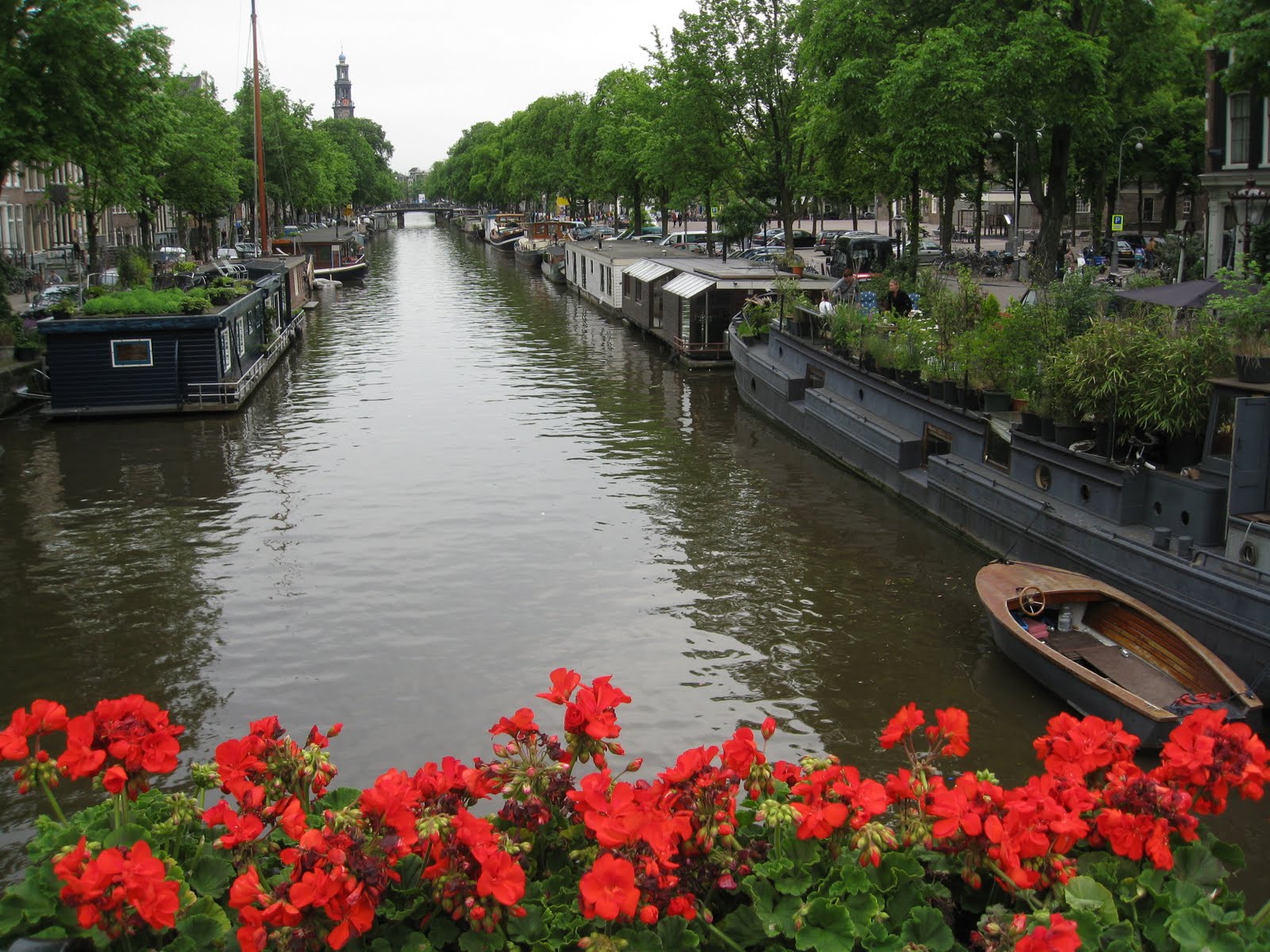
For a city world-renowned as a den of vice rivaled only by Las Vegas, the casual visitor to Amsterdam would hardly know it save a few tell-tale signs and one very avoidable area. We arrived on a quick one-hour flight from Heathrow into Amsterdam’s Schiopol Airport, and following a walk through customs and immigration and a quick detour to purchase train tickets we were off to the city center. Amsterdam’s airport is clean, relatively straightforward (for a European airport) and connected to the city center by an efficient, comfortable train service. Eight euro for two people into Amsterdam’s Centraal Station was a much nicer option than the 35 euro flat rate in a cab, and the transit time took all of 13 minutes – not too shabby.

We chose to stay along the Amstel River at the Eden Hotel Amsterdam, a small European hotel chain known for clean, quiet, simple accommodations. Following a complimentary upgrade we found ourselves in a perfect oversized room away from street noise and the bustle of the service corridor. Not that we’ll be in the room that much, but it’s nice to have a quiet space!

A quick wander through the city can easily turn into a multi-hour walk once you put away the map and simply enjoy the city. Amsterdam’s quaint and bicycle-friendly roads, intimate architecture, and interspersing of canals really are a treasure to behold, and there’s no shortage of rest and refreshment options as you meander along. 

With the city center being so compact you can easily walk to and through the major parts of the city in half a day, leaving time to explore more thoroughly once you’ve gotten the relative lay of the land (and water.)
 
Going back to that vice bit for a second: sure, there are “coffeeshops” interspersed throughout the city, and most souvenirs are going to center on the crass and vulgar aspects of the Red Light District, but these two things by no means should personify such a beautiful and happy city. 


With a friendly, English-speaking population, a mix of cultures and cuisines, and some of Europe’s quaintest scenery, Amsterdam retains a more romantic and peaceful charm than what popular media and general public perception would have you believe. We say come to Amsterdam and see for yourself!

Thursday, June 10, 2010

An Overnight to Reading

Our first adventure outside the London city limits takes us to Reading, a moderately-sized town in Berkshire just about 40 miles west of London. History buffs will already know that Reading was an important stop along the River Thames during the medieval period, and became a place of pilgrimage with the founding of the Reading Abbey in the early 1100s. The Abbey was all but destroyed by Henry VIII’s Dissolution of the Monasteries in the mid-1500s; the last abbot was hanged, then drawn and quartered in front of the Abbey church.

And where exactly is that church? Why, adjacent to the Forbury Hotel, of course! The Forbury is the top luxury hotel in the area, a classic reuse of the former Berkshire Shire Hall and a beautiful example of townhouse-style construction from the early 1900s. Each of the 23 rooms and suites boast original works of art from the region and around the globe; pieces in the public areas of the hotel are on loan rotation from La Galerie in Pimlico.

Our stay included an overnight in a Superior Room on the first floor (second floor to us Americans); each room in the hotel is lavishly-appointed and no two rooms are the same. As is befitting a true luxury hotel (and that term gets tossed around inappropriately quite a bit) the staff were welcoming, knowledgeable of the area, and happy to assist with even minor trivialities (RJ11 phone cord adapter, anyone?) with a warm smile. And, as you know, a competent and resourceful staff is the backbone of any successful luxury establishment. Couple this with simply prepared, delectable offerings from the kitchen – the Eggs Benedict is my standard rule by which hotel breakfasts are measured, and this one came with a surprisingly lemony-fresh hollandaise (albeit a tad more than needed) and parma ham – and you have a recipe for success.
 
My main goal here in Reading was to explore the Hosier Street market – 60 stalls selling food, flowers, plants, crafts, and household goods – and see how many of the more than 100 pubs in town we could visit (quite a lot of pubs for a town this size…) The sheer number of pubs around the central town square was enough to fill both afternoons and evenings, and as is the case with many pubs in the UK, a diverse array of real ales and local pints were available at each stop. My personal favorite? The Abbot Ale from the Pitcher & Piano…

All in all, the trip was a pleasant diversion from the recent stress of getting the new office established. Up next for The Gastronomic Traveler? Ten days in London, Amsterdam, and Madrid watching the World Cup with local fans. Follow our gastronomic and sporting adventures over the next two weeks with live postings every day as we seek out the classic and the unusual in these three cosmopolitan capitals!